Marmara
Istanbul Travel Guide: How to Plan Your First Visit
Istanbul spans two continents across the Bosphorus, layering Byzantine and Ottoman history with a fast-moving modern city. Most first-time visitors need several days to see past the historic core to the neighbourhoods and waterways that make it distinctive.
İstanbul
- Airports
- Istanbul Airport (IST) and Sabiha Gökçen Airport (SAW)
- Best first-time base
- Sultanahmet for the historic core, or Galata/Karaköy for a livelier, more contemporary base
- Best for
- First-time visitors, history and culture, food, city breaks, Bosphorus experiences
- Best time to visit
- April-May and September-October, for milder weather and fewer crowds
- Don't miss
- The Bosphorus ferry crossing — one of the easiest ways to see the city from the water.
- Getting around
- Metro, tram, ferries and buses cover most visitor routes, with an Istanbulkart transit card working across all of them; walking covers most of the historic peninsula on its own.
- Getting there
- Istanbul is served by direct flights from most major international hubs.
- Language
- Turkish is the official language; English is widely spoken in tourist areas.
- Ideal stay
- 3-5 days for a first-time visit
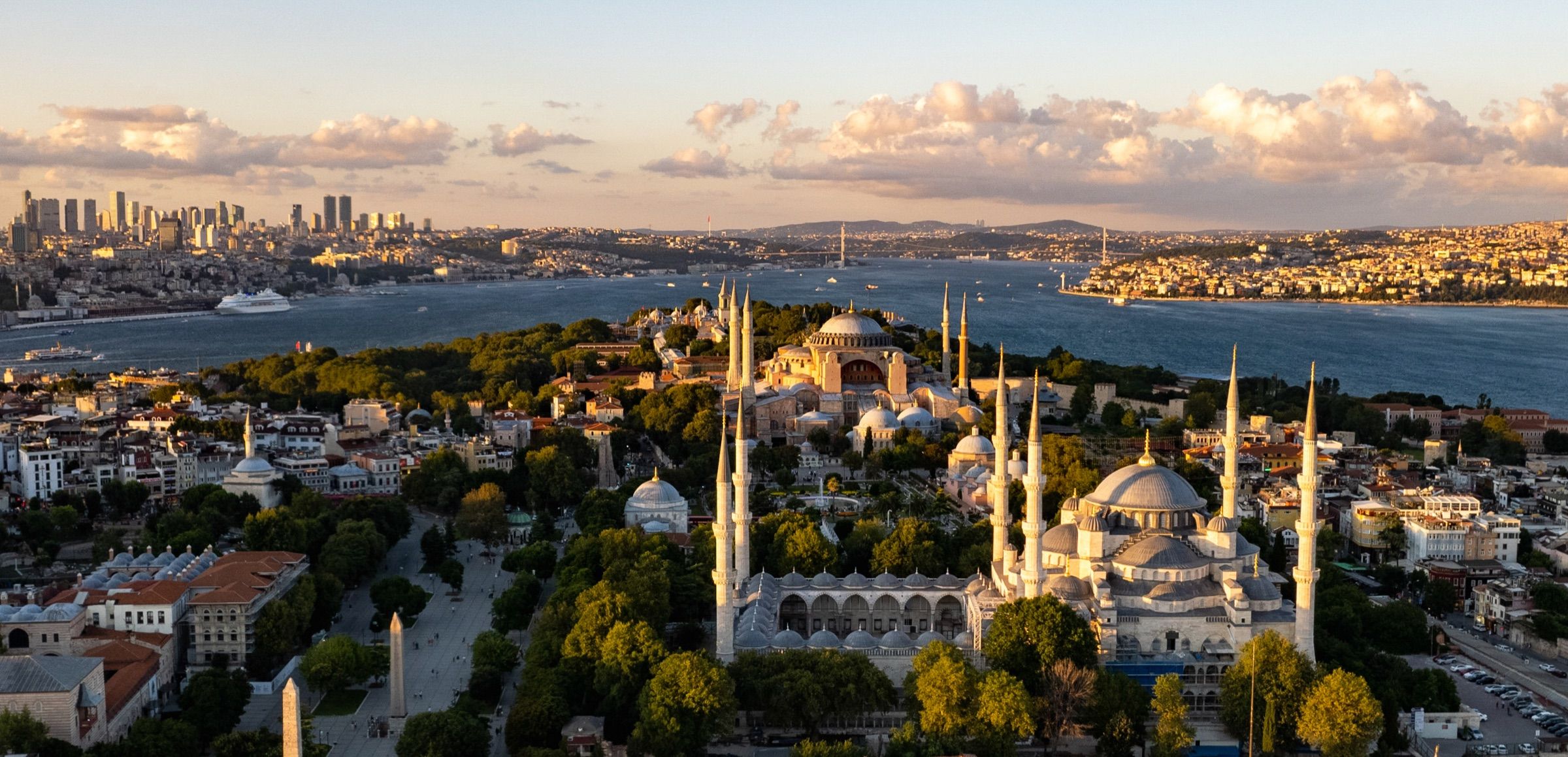
Istanbul is not one destination — it's several, sitting across the same stretch of water. The historic peninsula around Sultanahmet holds the monuments most people come for: Byzantine churches, Ottoman mosques, and the palace that ran an empire. A short tram or ferry ride away, Galata and Karaköy feel like a different city entirely — steep streets, contemporary galleries, and a skyline view back at everything you just walked through. Cross the Bosphorus again and the Asian side runs at its own pace, with a market and café culture that has very little to do with tourism.
That's what makes Istanbul harder to plan than most first-time destinations: it rewards more than a single loop around the old town, but a week is more than most people can spare on a first visit. This guide sets out what the city actually consists of, how many days it takes to see it properly, and how to divide your time between its historic core, its Bosphorus life, and its neighbourhoods — so the decisions that matter get made before you land, not worked out on the ground.
Why Istanbul Rewards More Than a Checklist
Istanbul's Directorate of Culture and Tourism describes culture as the city's strongest draw for visitors, built on roughly 8,500 years of continuous settlement — visible today across its museums, palaces, excavation sites, mosques and churches, bazaars, and a street life that hasn't stopped since. That layering is the reason Istanbul rewards time rather than a single checklist morning: the same walk can pass a Byzantine cistern, an Ottoman courtyard, and a coffee shop that opened last year, without any sense that they belong to different cities.
Most first-time visitors come for the historic core — Hagia Sophia, the Blue Mosque, Topkapı Palace — and that's a reasonable starting point. But treating Sultanahmet as the whole of Istanbul misses most of what makes the city distinctive: the Bosphorus itself, which functions as transport, geography and daily life all at once; Galata and Karaköy's mix of history and contemporary Istanbul; the food culture that extends well beyond kebab; and Kadıköy, on the Asian side, where the pace and the crowd both change noticeably.
None of this needs a strict itinerary to appreciate. It's more useful to think of Istanbul as a handful of distinct, overlapping experiences — heritage, the Bosphorus, food, and neighbourhood life — and to decide in advance how much of each you actually want, rather than trying to fit all of them into the time available for one.
How Many Days Do You Need in Istanbul?
There's no single correct length for a first Istanbul trip — it depends on how much you want to see beyond the historic core, and how comfortable you are moving quickly between sights.
Two days is enough for the major highlights only — Hagia Sophia, the Blue Mosque, Topkapı Palace and the Basilica Cistern, all within walking distance of each other in Sultanahmet. It's workable if Istanbul is a stopover rather than the main event, but it doesn't leave room for much else.
Three days gives a strong first-time introduction: the Sultanahmet sights at a reasonable pace, plus a half-day across the water in Galata and Karaköy, ideally including a Bosphorus ferry crossing.
Four to five days is what we'd recommend for most first-time visitors who want to properly experience both the monuments and the neighbourhoods — enough time to add the Grand Bazaar and Spice Bazaar, a longer look at Beyoğlu, and a first visit to Kadıköy, without every day being built around a ticketed sight.
Seven days allows a genuinely slower trip: more time on the Asian side, a proper look at Istanbul's museums beyond the headline three, and room for a day trip if one appeals, without feeling like the city is being rushed.
If this is your first trip and you can only spare three days, that's a legitimate way to see Istanbul — but four or five days is where the city starts to feel like more than its monuments.
The Bosphorus: More Than a View
It's easy to treat the Bosphorus as a photo backdrop or a single cruise ticket, but it's worth understanding as something closer to the organising idea behind Istanbul than one more attraction on a list.
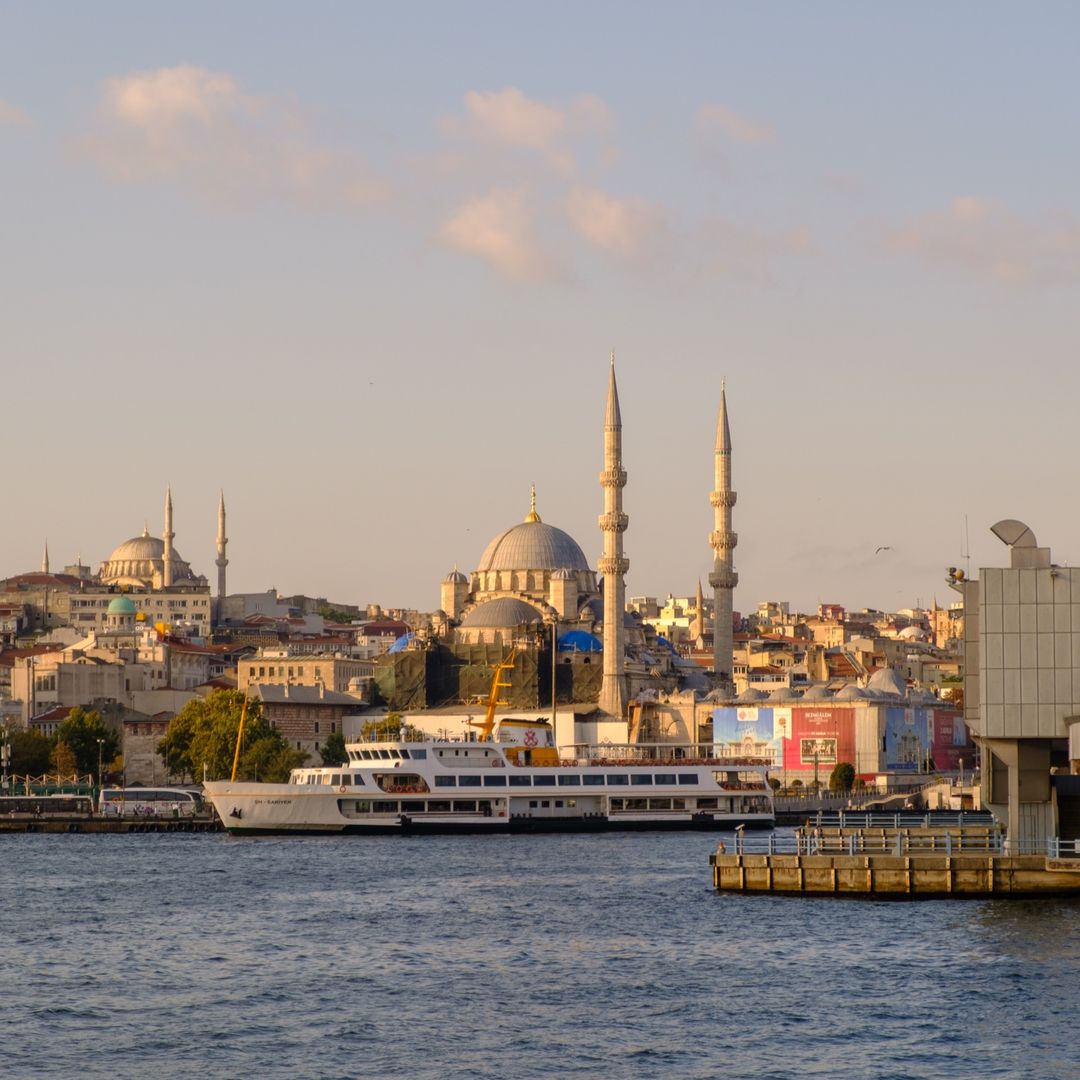
Geographically, it's the strait that separates Europe from Asia and connects the Sea of Marmara to the Black Sea — which is also why Istanbul is the only city in the world that sits on two continents. Functionally, it's a transport corridor used daily by commuters as well as visitors: the public ferries that cross it are genuinely part of how the city moves, not a tourist add-on. Historically and architecturally, its shores are lined with what it took to defend and govern an empire at its edges — waterfront palaces, fortresses built to control the strait, and neighbourhoods like Ortaköy that grew up specifically because of it.
It's also where a lot of Istanbul's everyday life actually happens: breakfast tables and tea gardens along the water, fishermen on the bridges, and — particularly around Beşiktaş and the Bosphorus villages further north — some of the city's better waterfront dining, from simple grilled fish to full meyhane evenings.
For a first-time visitor, the simplest way to experience it is a public ferry crossing rather than a dedicated tour boat — it's inexpensive, it runs on a regular schedule, and it gives you the same water-level view of the city's layout that a paid cruise does. A longer, guided cruise past the palaces and fortresses further from the centre is worth considering if you want commentary and a longer route; we'll cover those options in more detail in a dedicated Bosphorus guide.
Getting Around Istanbul
Istanbul's public transport network is more capable than first-time visitors often expect, and for most visitor routes it's a better option than relying on taxis. An Istanbulkart — a rechargeable transit card available at kiosks and machines across the city — covers Metro Istanbul's metro lines, the T1 tram, IETT's city buses, and the municipal ferries operated by Şehir Hatları, all on the same card.
The T1 tram is the single most useful line for a first-time visitor, since it runs directly through Sultanahmet and across the Galata Bridge toward Kabataş. The metro is faster for longer crossings, and the ferries — while genuinely a form of public transport, not just a tourist activity — are one of the best ways to see the city while actually going somewhere.
Both of Istanbul's airports, Istanbul Airport (IST) and Sabiha Gökçen Airport (SAW), connect to the city centre by a combination of metro and dedicated airport shuttle services, including Havaist; the fastest route depends on your arrival time and where you're staying, so it's worth checking current options as part of your final planning rather than assuming a fixed journey time.
Walking covers most of the historic peninsula on its own — Sultanahmet's major sights sit within around fifteen minutes of each other — but crossing between the old town, Galata, and the Asian side is realistically a transport journey, not a walk, and worth building into your day rather than treating as incidental.
Istanbul in Layers: Byzantine, Ottoman and Modern
Istanbul's history is easiest to understand as three layers that are all still visible today, often within sight of each other.
The city began as Byzantium, then became Constantinople — capital of the Eastern Roman Empire for over a thousand years. Hagia Sophia, first built in the sixth century, and the Basilica Cistern beneath the streets nearby are the clearest surviving evidence of that era: an empire that thought in terms of domes, mosaics, and engineering built to outlast it.
In 1453, the city fell to the Ottomans and became the capital of a new empire that would last another five centuries. Topkapı Palace, the Blue Mosque, and the covered lanes of the Grand Bazaar all belong to this Ottoman period — a city rebuilt as an imperial capital, with the same instinct for scale that Byzantium had, expressed in a different architectural language.
The modern Republic of Türkiye moved its capital to Ankara in 1923, but Istanbul never stopped being the country's cultural and commercial centre. What makes the historic peninsula genuinely rewarding to walk through isn't any single monument — it's that Byzantine, Ottoman, and contemporary Istanbul sit within a few streets of each other, still functioning as one city rather than as a preserved district. That's what makes the monuments worth the time: not just what each one is, but which version of Istanbul it belonged to, and what came before and after it.
Best Time to Visit Istanbul
Istanbul doesn't have a single perfect month — the right time depends on what you're prioritising.
Spring (April–May) and autumn (September–October) are generally the most comfortable seasons: mild enough for a full day of walking between sights, without peak-summer crowds at the most popular monuments.
Summer (June–August) is warm to hot, and Istanbul's major sights are at their busiest — expect queues at Hagia Sophia and Topkapı Palace, and book any ticketed sight with a specific time slot in advance where that option exists. It's also when the Bosphorus is at its liveliest, with long evenings well suited to a ferry crossing or a waterfront meal.
Winter (November–March) is quieter and often overlooked, with shorter days and a real chance of rain or cold snaps, but noticeably thinner crowds at the major sights and lower accommodation rates — a reasonable trade for travellers who'd rather queue less than guarantee warm weather.
There's no wrong season to visit Istanbul — each one changes what the trip feels like more than what you're able to see.
What to Eat in Istanbul
Istanbul's food culture goes well beyond kebab, and it's worth planning around a few genuine categories rather than a single must-try dish.
Turkish breakfast (kahvaltı) is a proper meal in itself — a spread of cheeses, olives, eggs, tomatoes, honey and fresh bread, usually taken slowly rather than grabbed on the way out. It's one of the more distinctly Turkish food experiences available to a first-time visitor.
A meyhane — a traditional tavern built around meze, grilled fish and rakı — is the closest thing Istanbul has to a defining dinner experience, particularly around Beyoğlu and along the Bosphorus. Meze here means a genuine course of small dishes shared across the table, not an afterthought before a main.
Street food is worth trying on its own terms: simit (a sesame-crusted bread ring), balık ekmek (grilled fish in bread, classically sold near the Galata Bridge), and midye dolma (stuffed mussels) are all inexpensive, genuinely local, and easy to work into a day of sightseeing rather than a separate outing.
Istanbul is also a coffee and pastry city in its own right — Turkish coffee served in small cups, a hammam visit if you want the fuller local ritual, and a serious bakery culture built around börek and baklava. Because Istanbul draws people and cuisines from across Türkiye, it's also possible to find strong regional cooking — from the southeast's kebab traditions to Black Sea specialities — without leaving the city, which is unusual for a single-city food scene.
First-Time Istanbul: Mistakes Worth Avoiding
A few patterns come up often enough with first-time visitors that they're worth naming directly:
- Trying to see the whole city in one day. Sultanahmet's major sights are close together, but rushing between four ticketed monuments in a single morning leaves little room to actually experience any of them.
- Treating Sultanahmet as all of Istanbul. It's the historic core, not the whole city — skipping Galata, the Bosphorus, or Kadıköy means missing most of what makes Istanbul different from a single-site heritage destination.
- Underestimating how long it takes to move between areas. Crossing from the old town to the Asian side is a proper transport journey, not a ten-minute detour — build it into your schedule rather than adding it as an afterthought.
- Relying on taxis by default. Istanbul's traffic can be heavy, and the metro, tram and ferries are often faster as well as cheaper for the same route.
- Skipping the ferry. A Bosphorus crossing is inexpensive, genuinely functional transport, and one of the clearest ways to understand how the city is laid out — leaving it out means missing a core part of the experience, not just a nice-to-have.
- Eating exclusively next to major monuments. Restaurants immediately beside Sultanahmet's biggest sights are priced and built for passing tourist traffic; walking a few streets further, or crossing to Karaköy or Kadıköy, usually means better food.
- Booking every day around a ticketed sight. Istanbul rewards unstructured time — a neighbourhood walk or a ferry ride with no destination in particular is often more memorable than a fourth palace in three days.
- Not checking current museum hours before visiting. Opening times, closed days and ticketing arrangements change; confirm the details for anywhere you're planning to visit close to your travel dates rather than assuming what worked for someone else still applies.
Discover
See & Explore Istanbul
The historic core, the Bosphorus, and the markets that connect them.
Where to Stay in Istanbul
Most first-time visitors should base themselves in Sultanahmet for walking access to the major sights, or Beyoğlu/Galata for a livelier base near restaurants and nightlife. Here's how the main areas compare.
Historic Sultanahmet
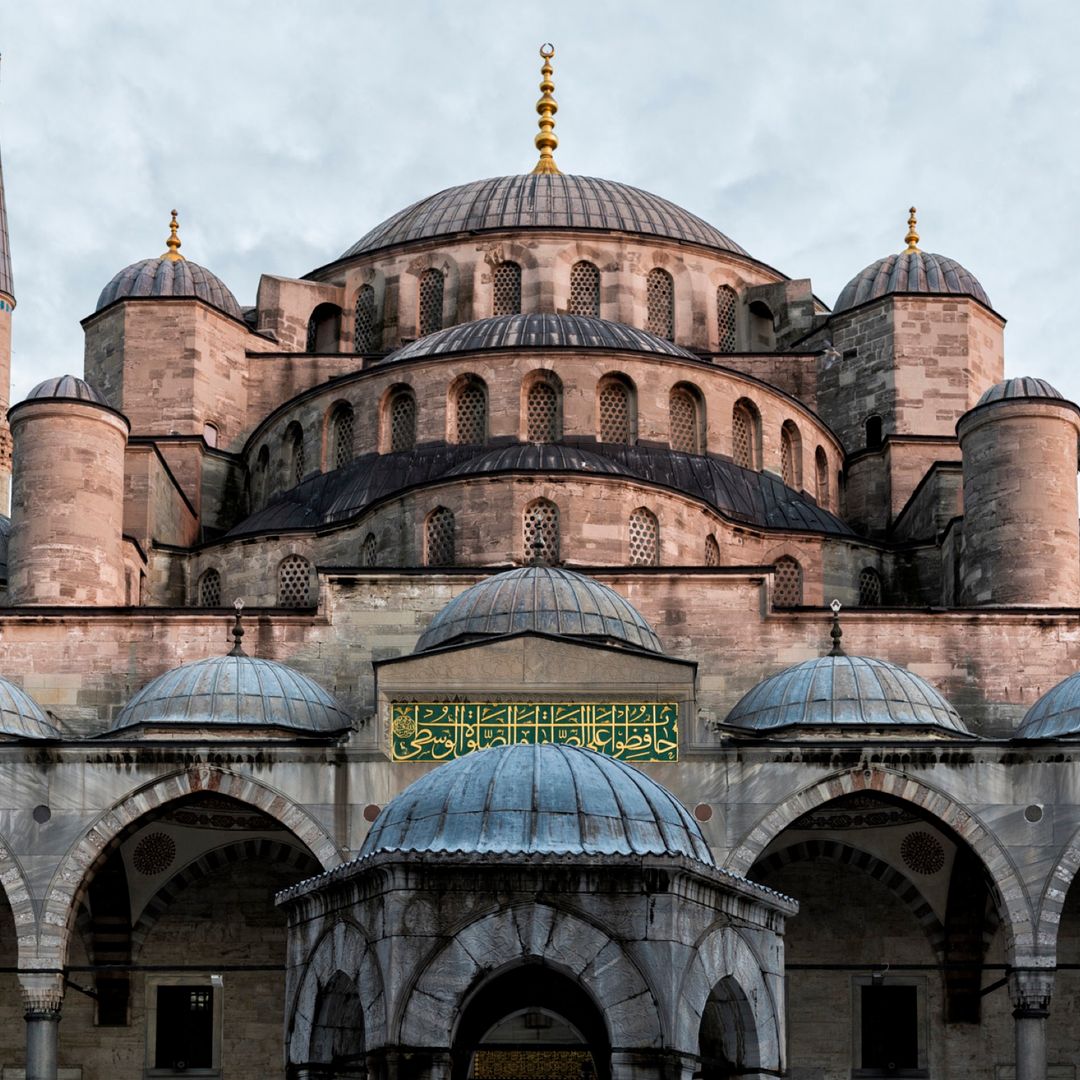
Hagia Sophia, the Blue Mosque and Topkapı Palace all sit within a short walk of each other on the historic peninsula.
Grand Bazaar & Spice Bazaar
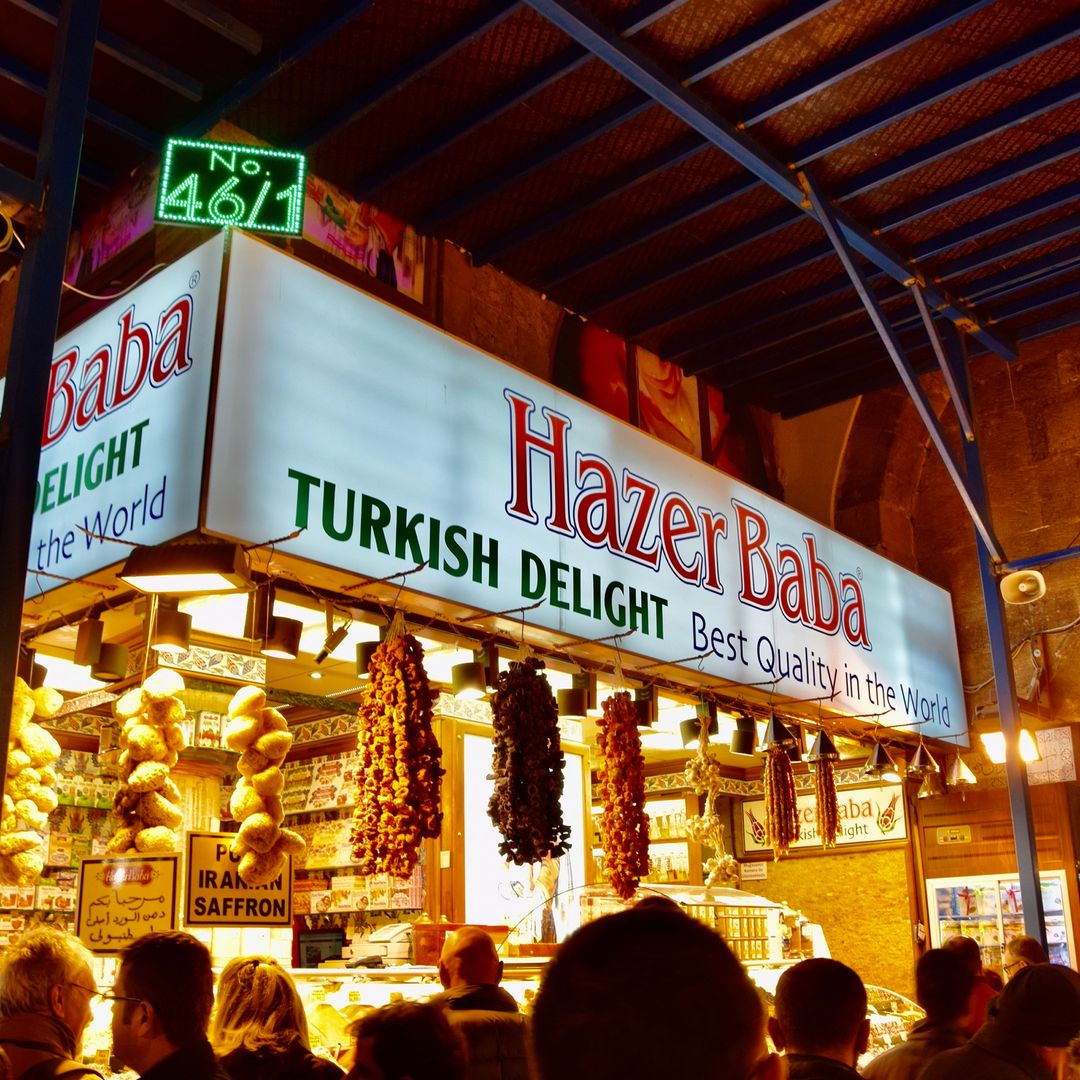
Two covered markets a few minutes apart — one for carpets, ceramics and gold, the other for spices, tea and dried fruit.
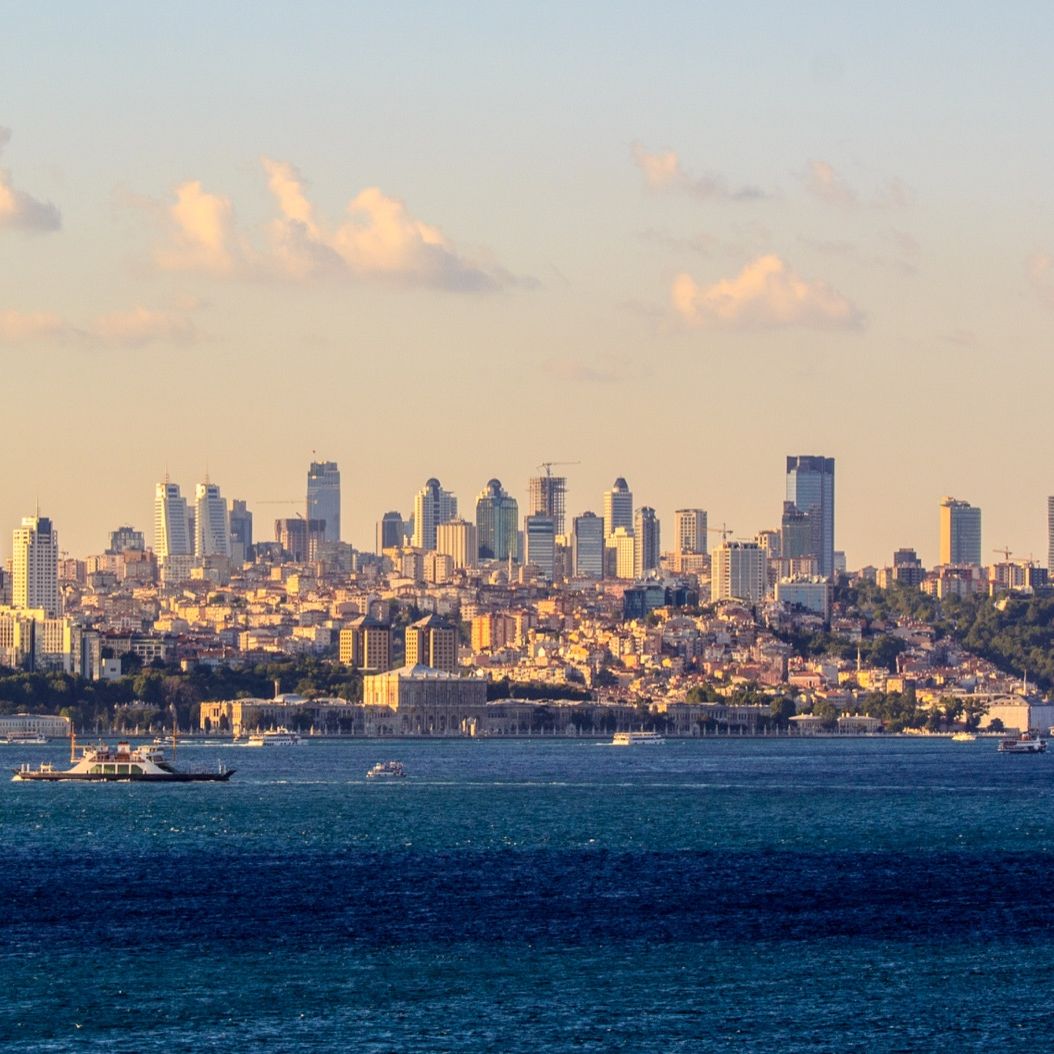
The Bosphorus & the Straits
A dedicated guide to the Bosphorus crossing and its waterfront neighbourhoods is coming soon.
Discover
Eat & Drink
A framework for Istanbul's food culture, not a list of fifty dishes.
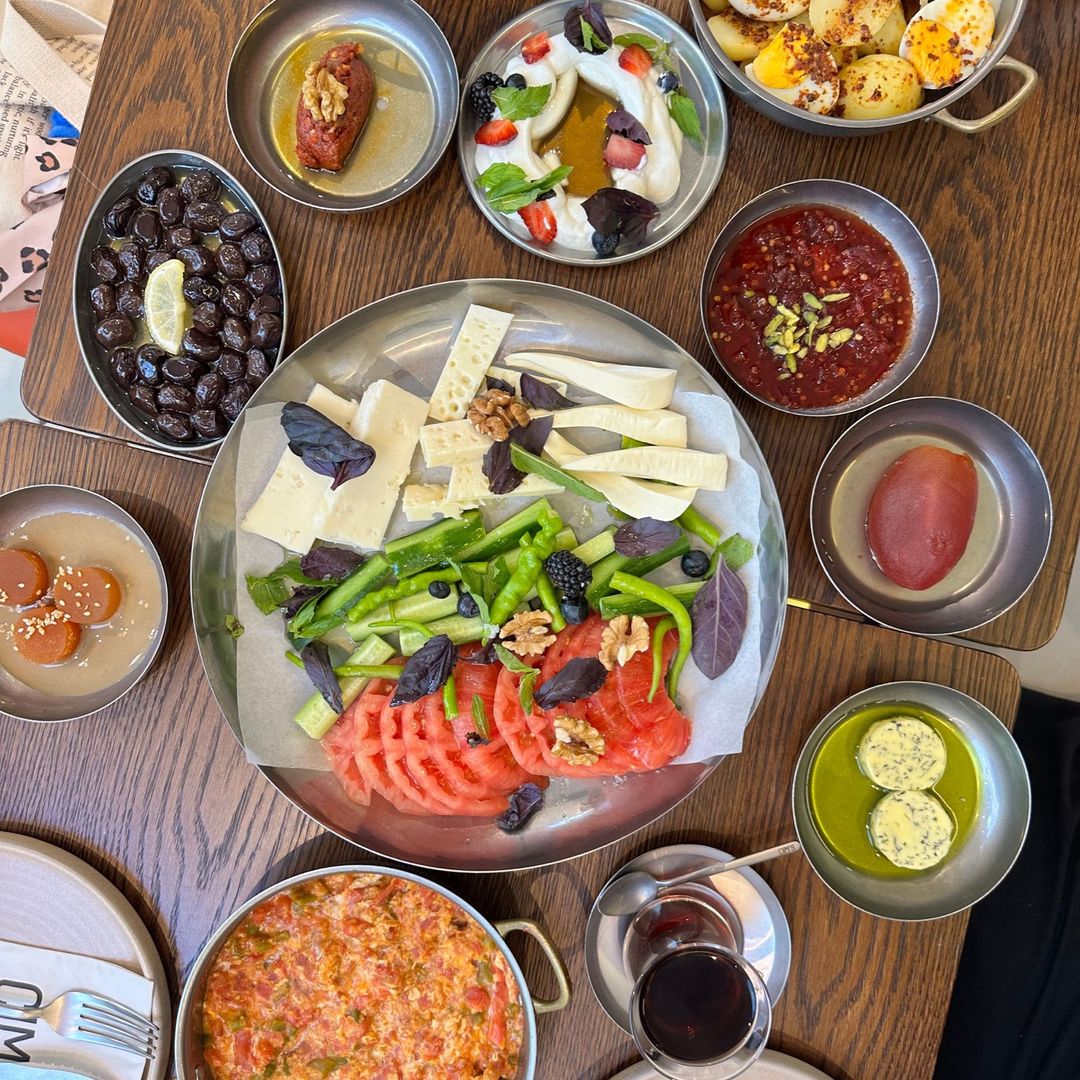
Turkish Breakfast
A proper meal in itself — cheeses, olives, eggs and fresh bread, taken slowly rather than grabbed on the way out.
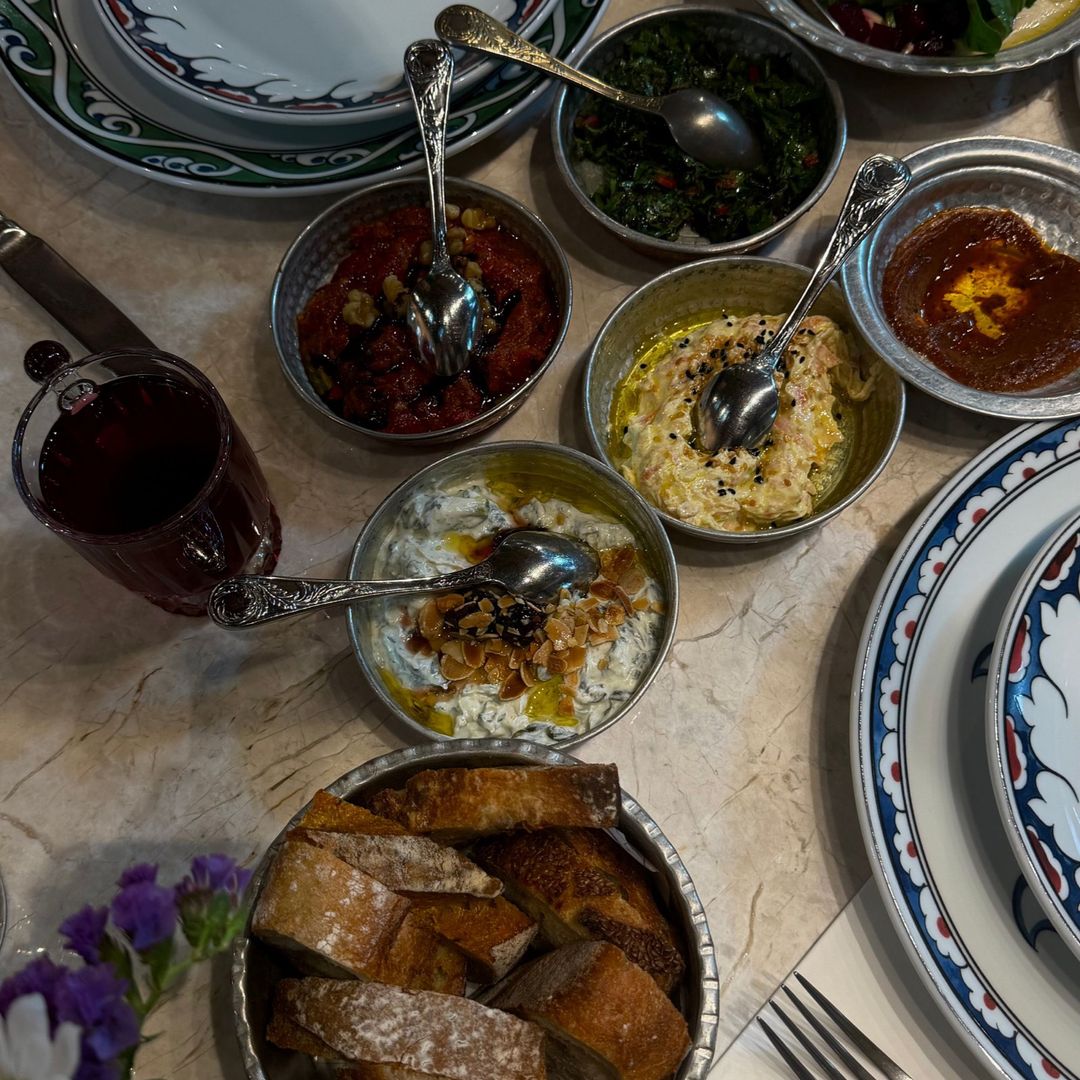
Meyhane & Meze Culture
Traditional taverns built around shared meze, grilled fish and rakı — a genuine dinner tradition, especially along the Bosphorus.
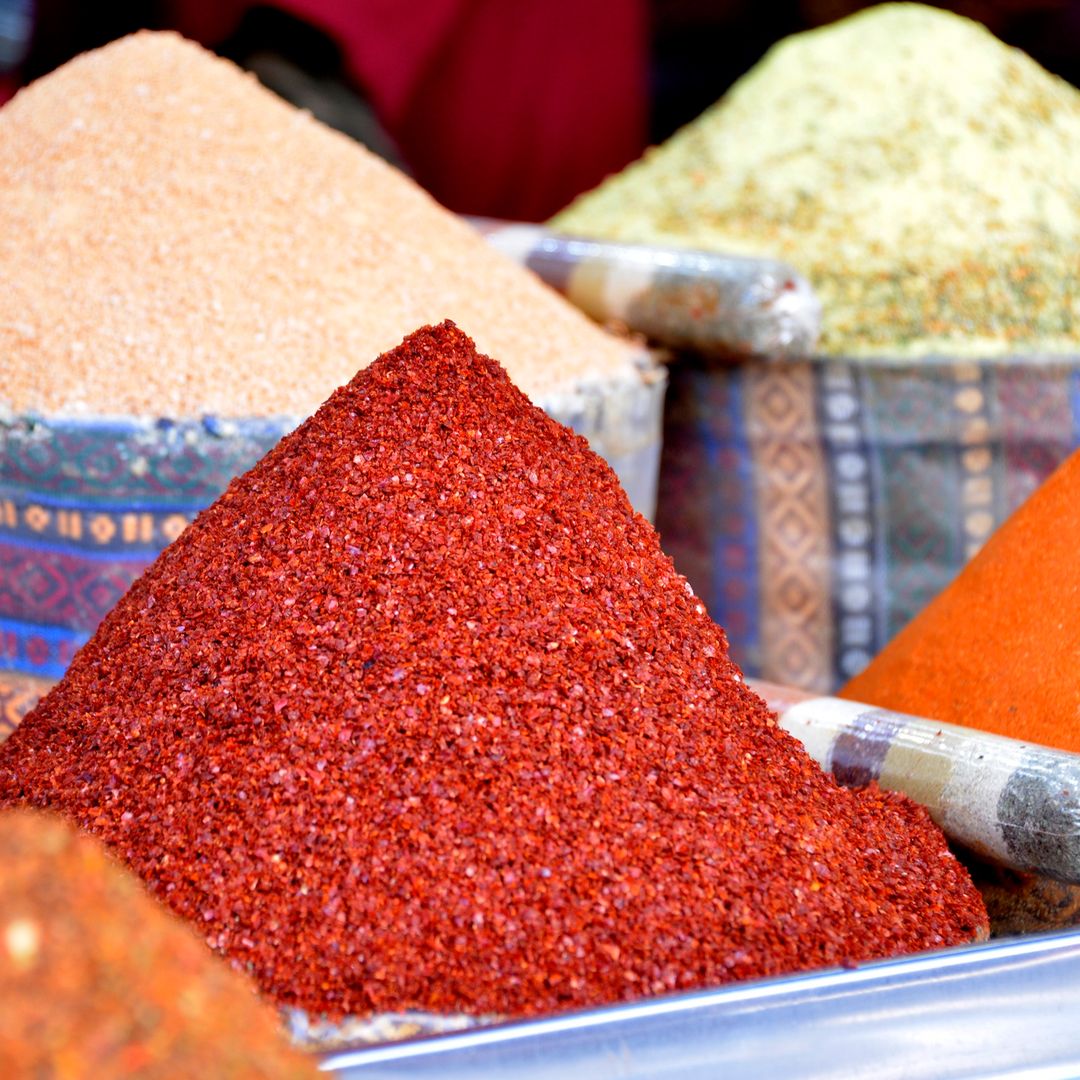
Markets & Street Food
Simit, balık ekmek and midye dolma are inexpensive, genuinely local, and easy to fold into a day of sightseeing.
Discover
Live Like a Local
Where Istanbul's daily life happens, away from the major sights.
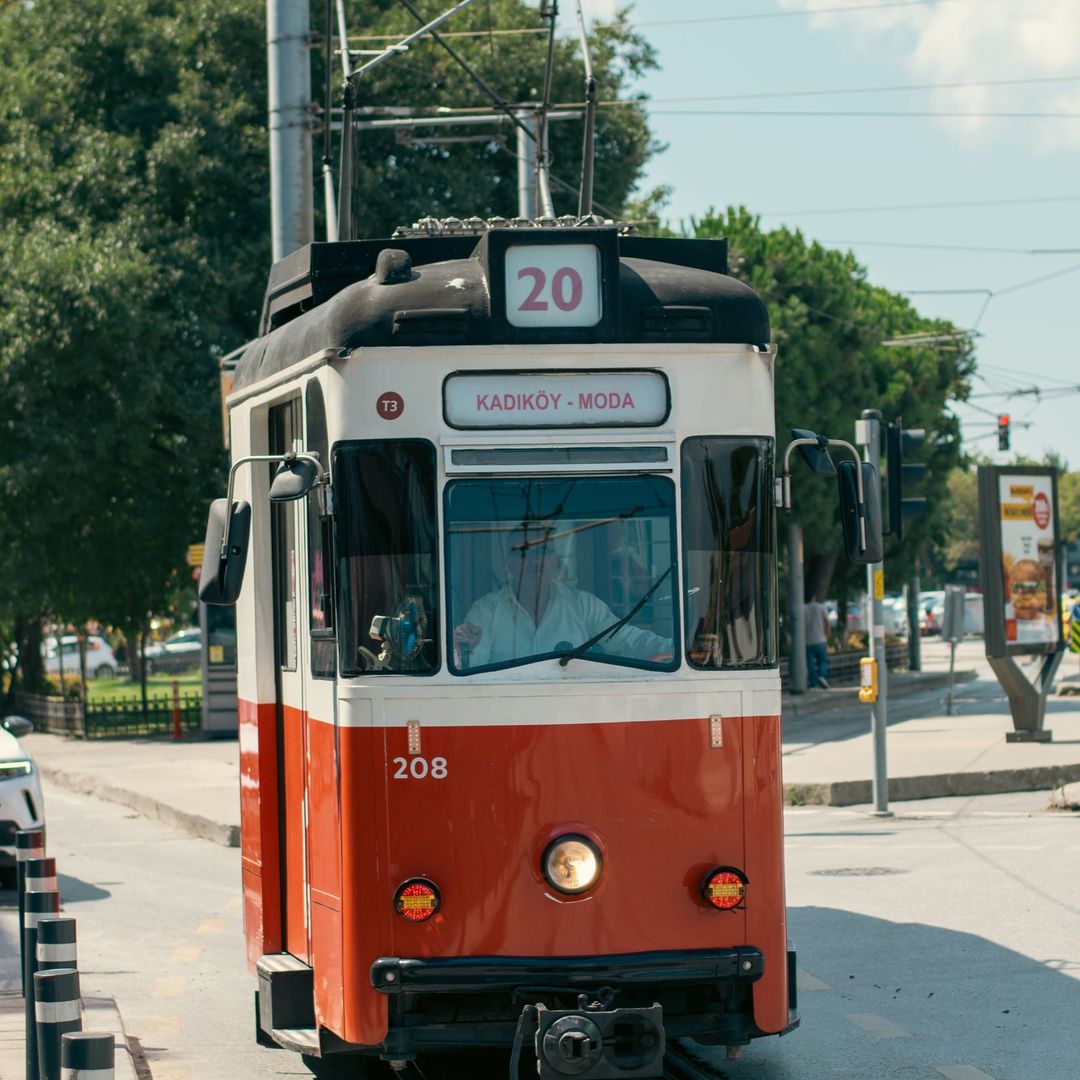
Kadıköy
Istanbul's Asian side has its own market, café and waterfront culture, with noticeably fewer visitors than the historic peninsula.
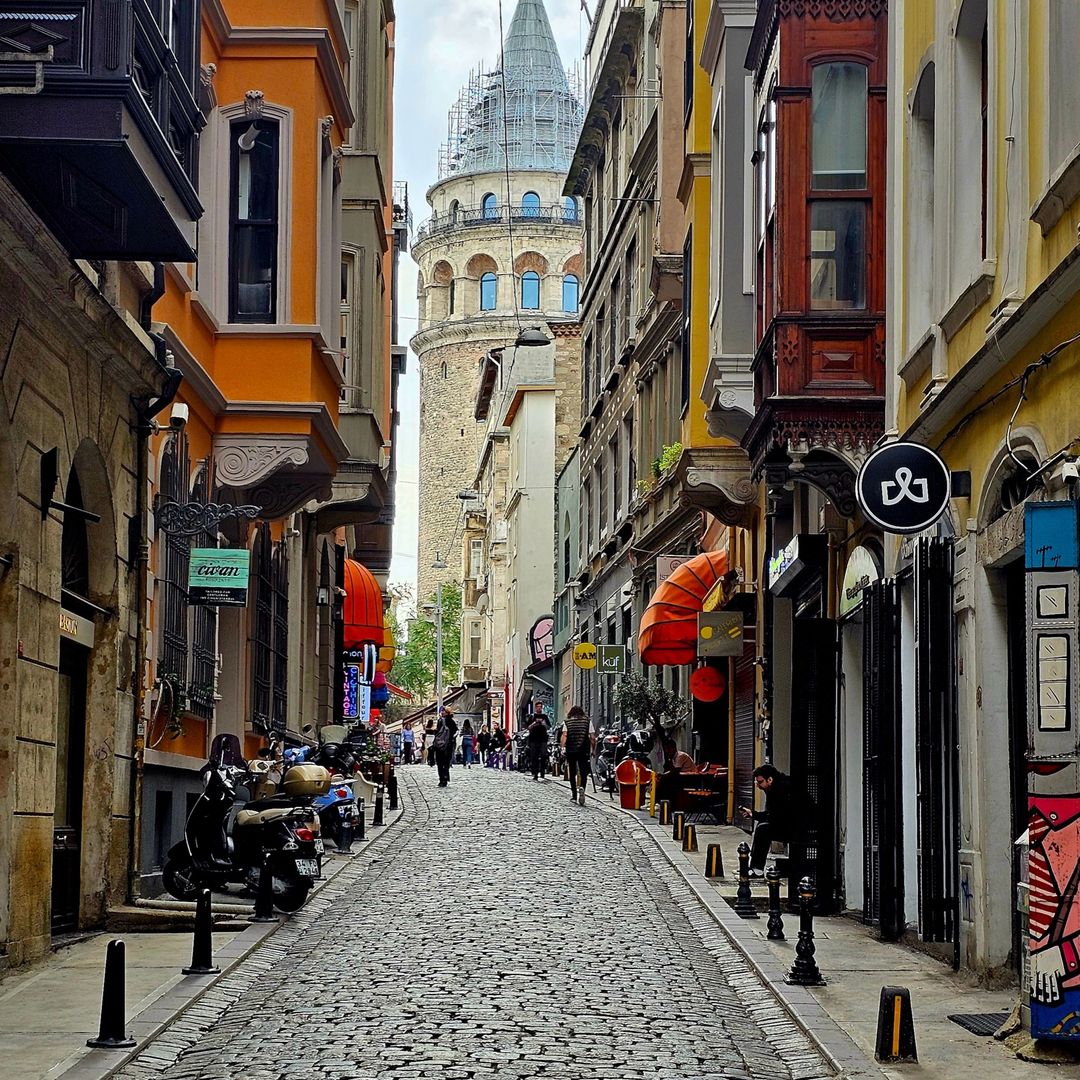
Galata & Karaköy by Day
Beyond the tower and the tourist trail, İstiklal Avenue and its side streets are where a lot of everyday Istanbul actually happens.
48 Hours in Istanbul
A two-day route through Istanbul's Old City and across the water to Beyoğlu, for a first visit that doesn't try to cover the whole city at once.
Plan
3 Days in Istanbul: A First-Time Preview
A full day-by-day itinerary is still in progress — here's the shape of a well-paced first visit.
Day 1 — Historic Peninsula
Sultanahmet's major sights — Hagia Sophia, the Blue Mosque, Topkapı Palace and the Basilica Cistern — all within walking distance of each other.
Day 2 — Bosphorus & Galata/Karaköy
A ferry crossing for the water-level view of the city, then Galata Tower and İstiklal Avenue on the other side.
Day 3 — Asian Side & Local Life
Kadıköy's market and café culture, at a noticeably slower pace than the historic peninsula's major sights.
From the Concierge
Concierge picks
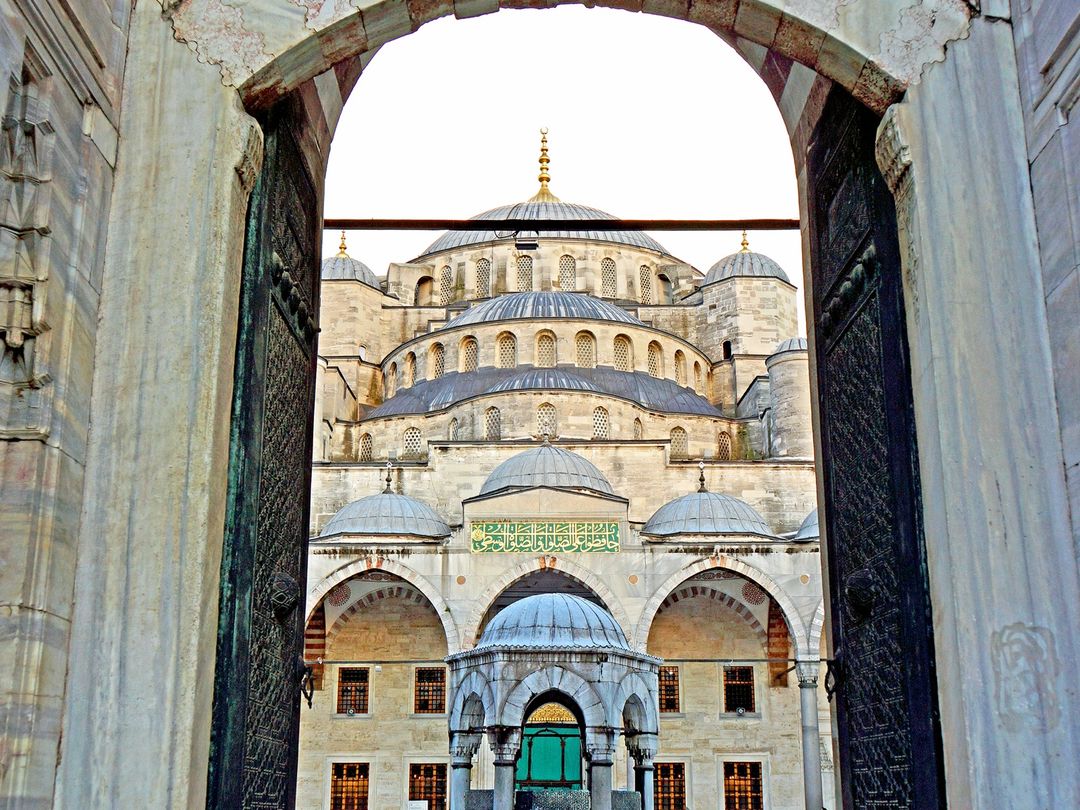
First Visit
Start in Sultanahmet
The Old City's major sights sit within walking distance of each other, which makes it the easiest way to get oriented on a first visit.
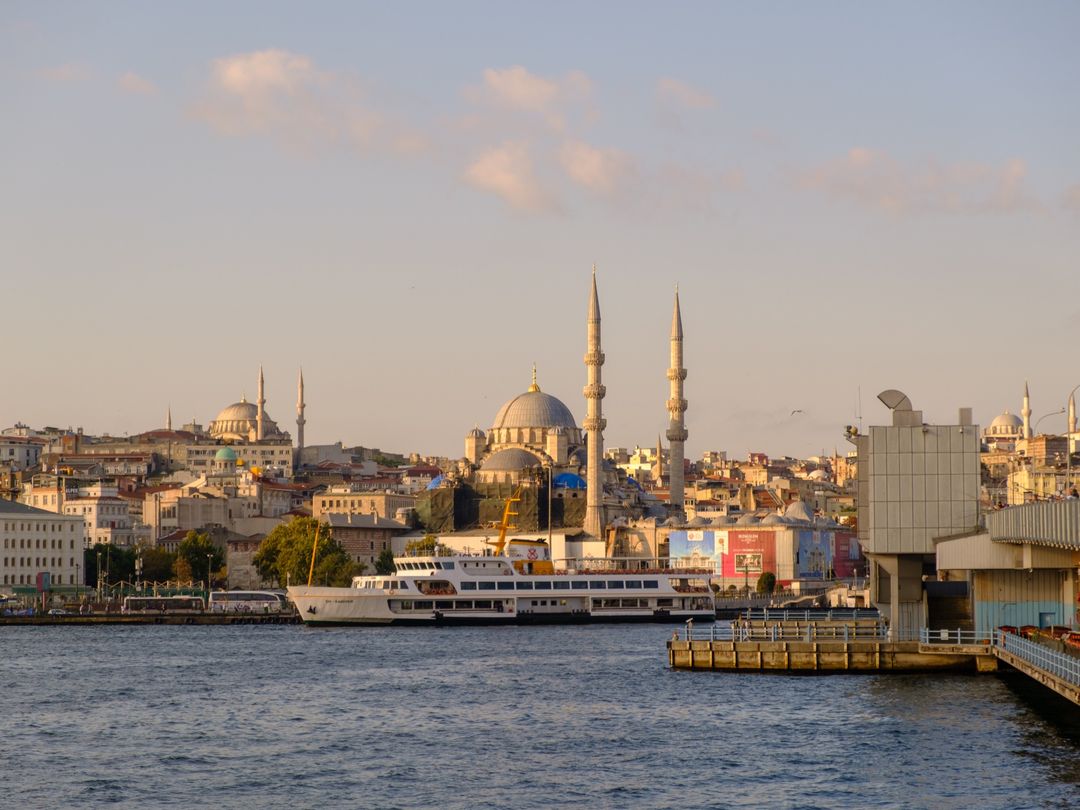
Local Favourite
Cross the Bosphorus by ferry
The short public ferry crossing is one of the cheapest and most scenic things to do in the city.
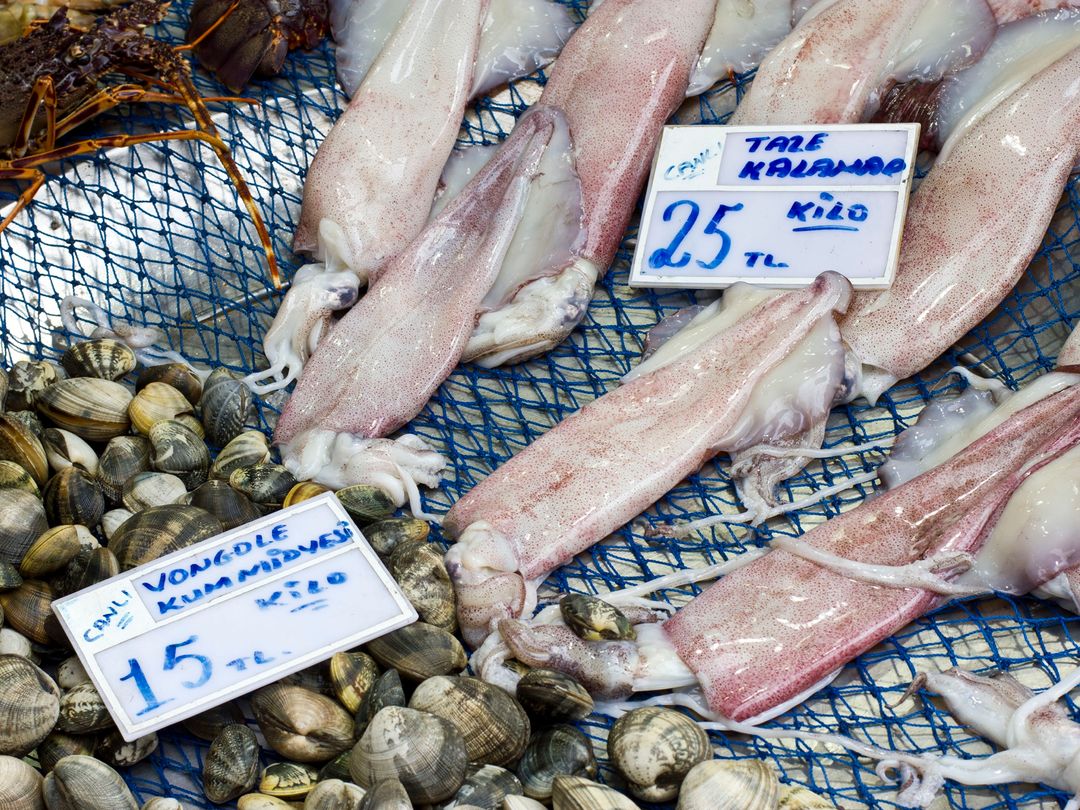
Food & Local Life
Eat where locals eat, in Kadıköy
Kadıköy's market and café scene is a genuine break from the tourist-oriented restaurants near the major Old City sights.
Ancient Türkiye
Byzantine & Ottoman Istanbul
A handful of the Old City's historic highlights — see the full Museums & Places of Interest list below for more.
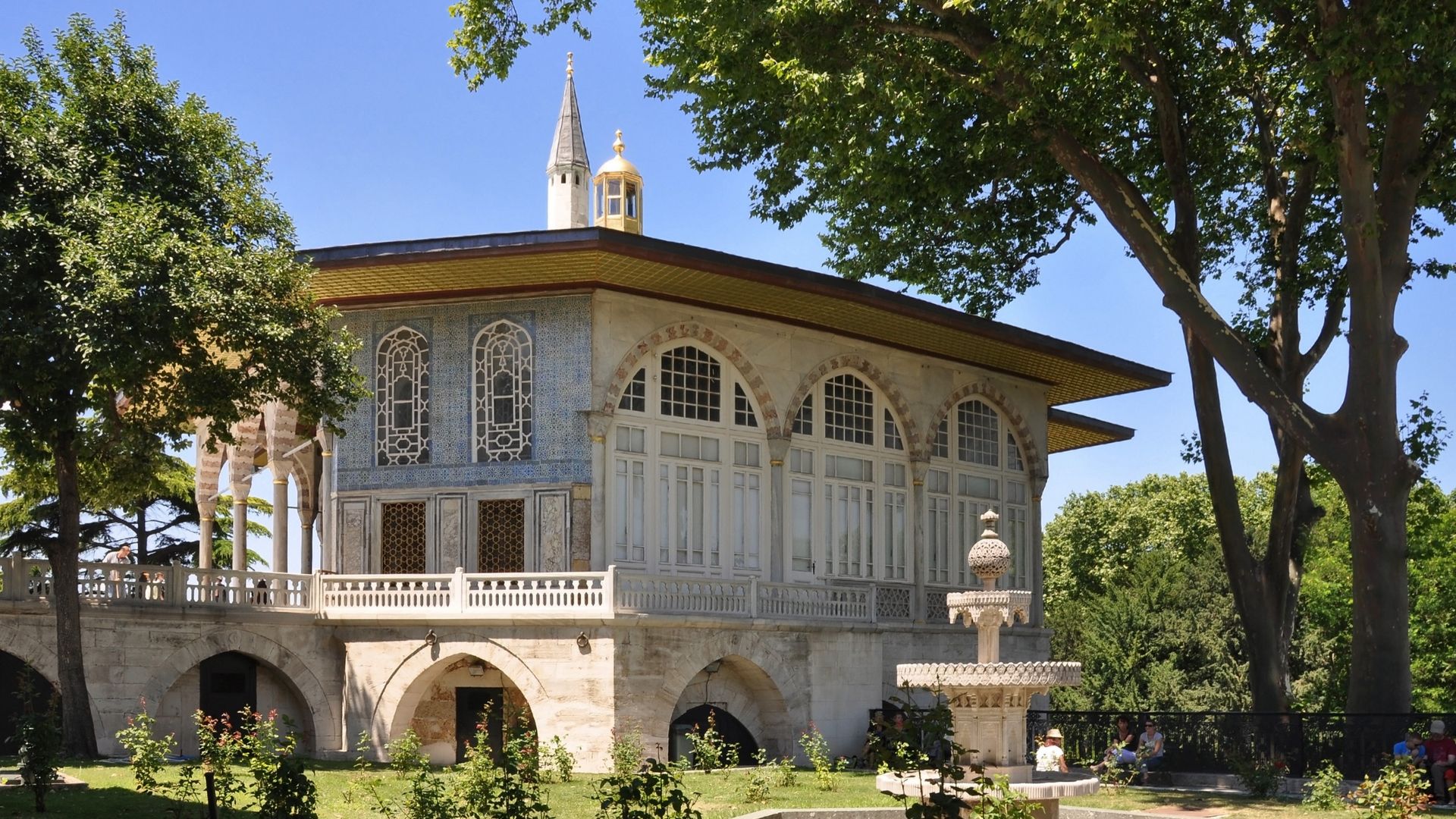
Topkapı Palace
The former administrative centre of the Ottoman Empire, overlooking the Bosphorus.
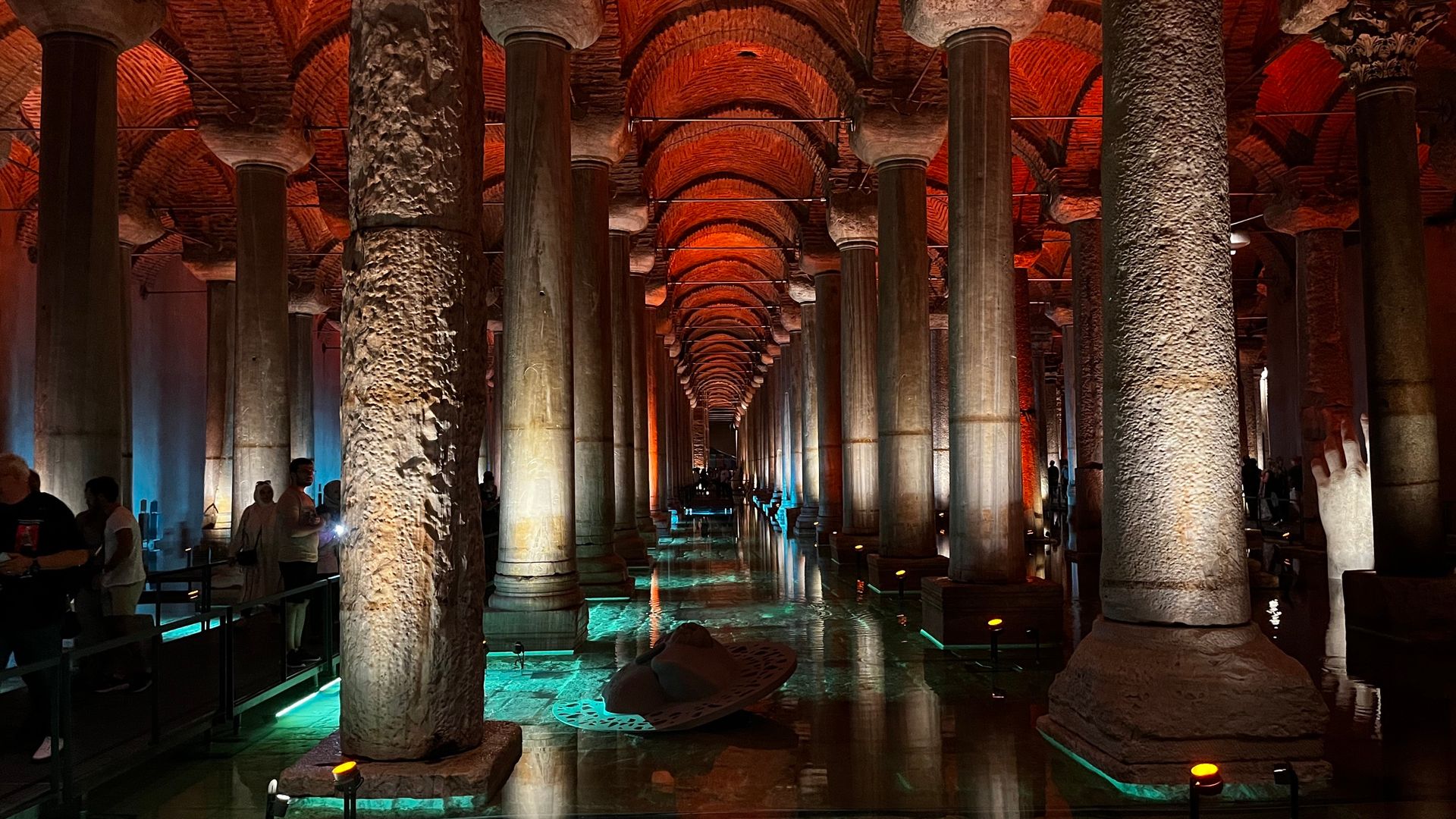
The Basilica Cistern
A 6th-century underground reservoir near Hagia Sophia, lit for atmosphere.
Museums & places of interest
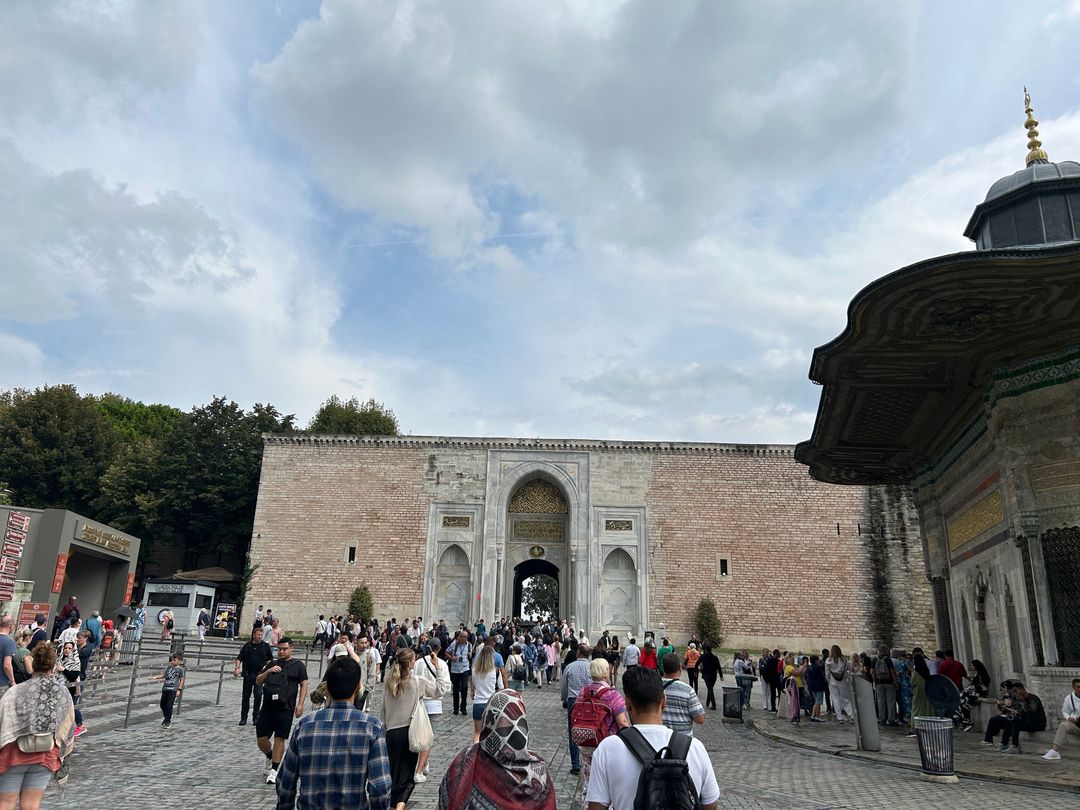
Palace
Topkapı Palace
Ottoman state history, imperial courtyards, and some of the best views in the Old City.
2-3 hoursSultanahmet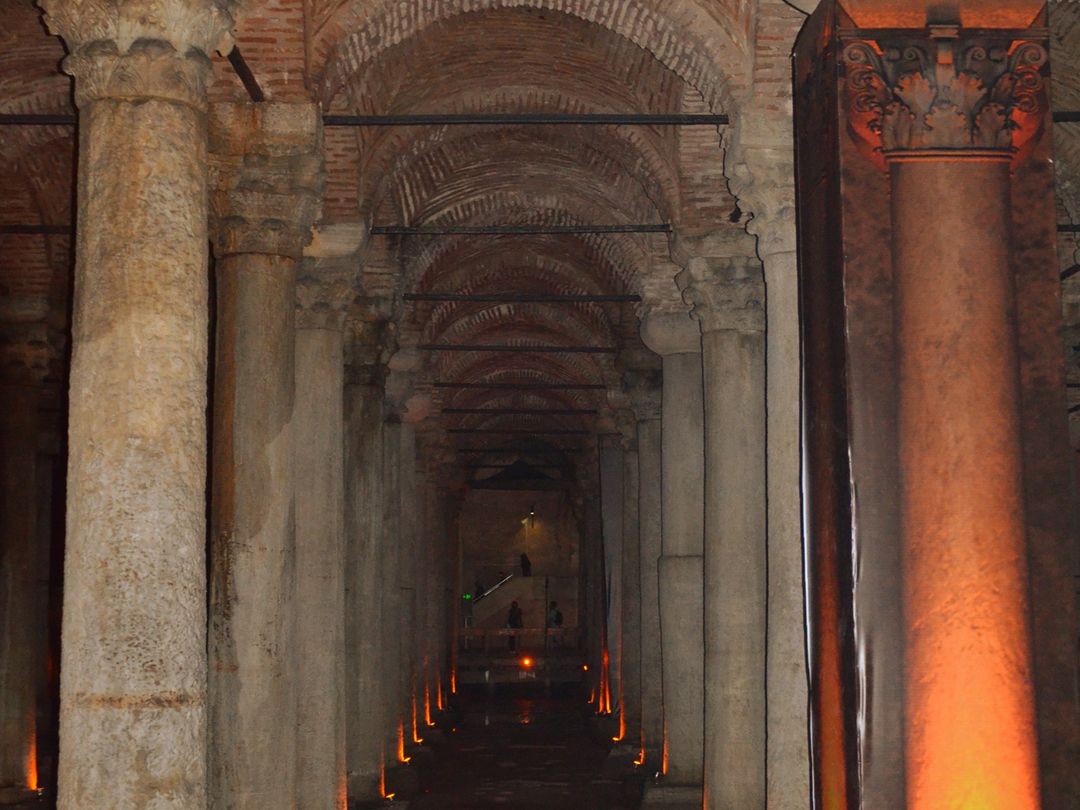
Archaeological site
Basilica Cistern
A striking, very different kind of sight from the mosques and palaces nearby, and a good midday break from the heat.
30-45 minutesSultanahmet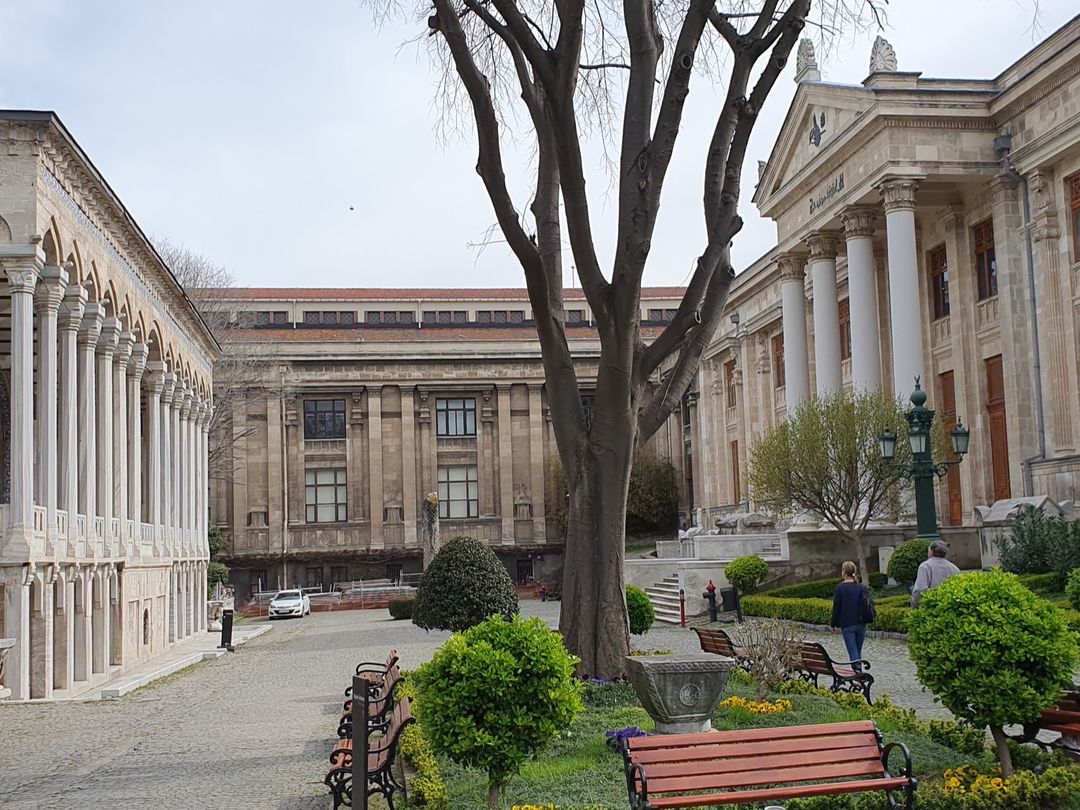
Museum
Istanbul Archaeological Museums
One of the world's major archaeology collections, and far quieter than Topkapı or the Blue Mosque.
1.5-2 hoursSultanahmet / Gülhane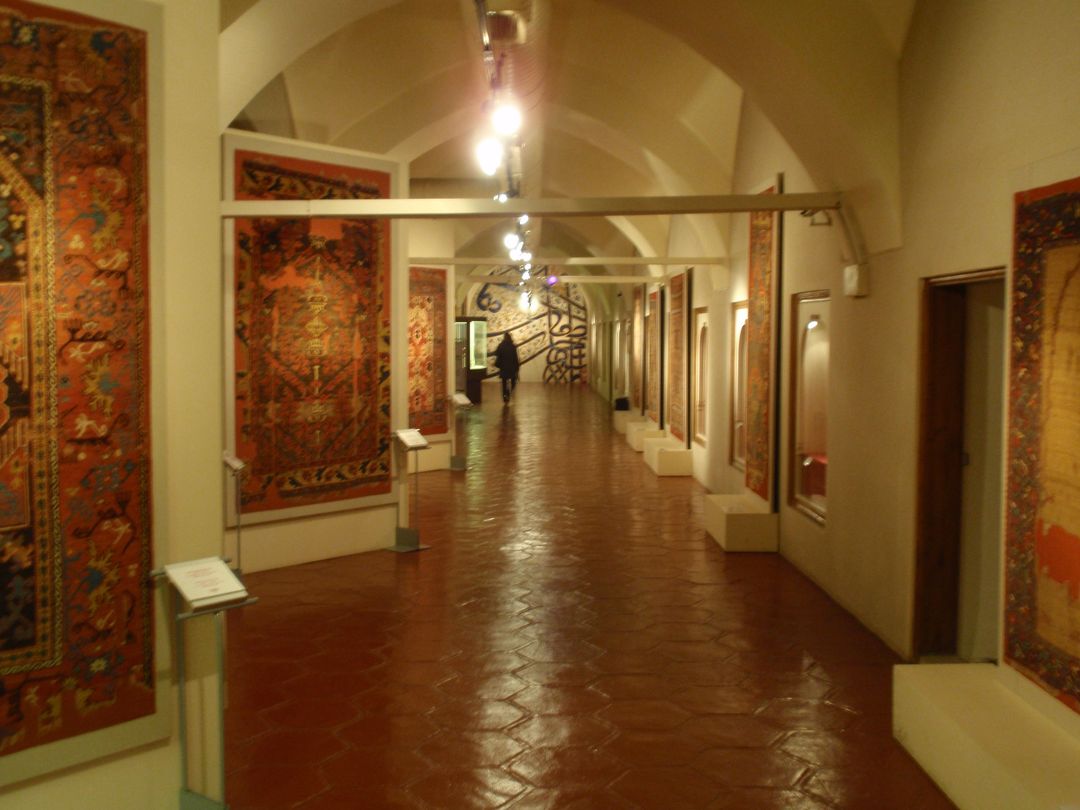
Museum
Turkish and Islamic Arts Museum
A focused, well-curated collection in a genuinely historic building, steps from the Blue Mosque.
1-1.5 hoursSultanahmet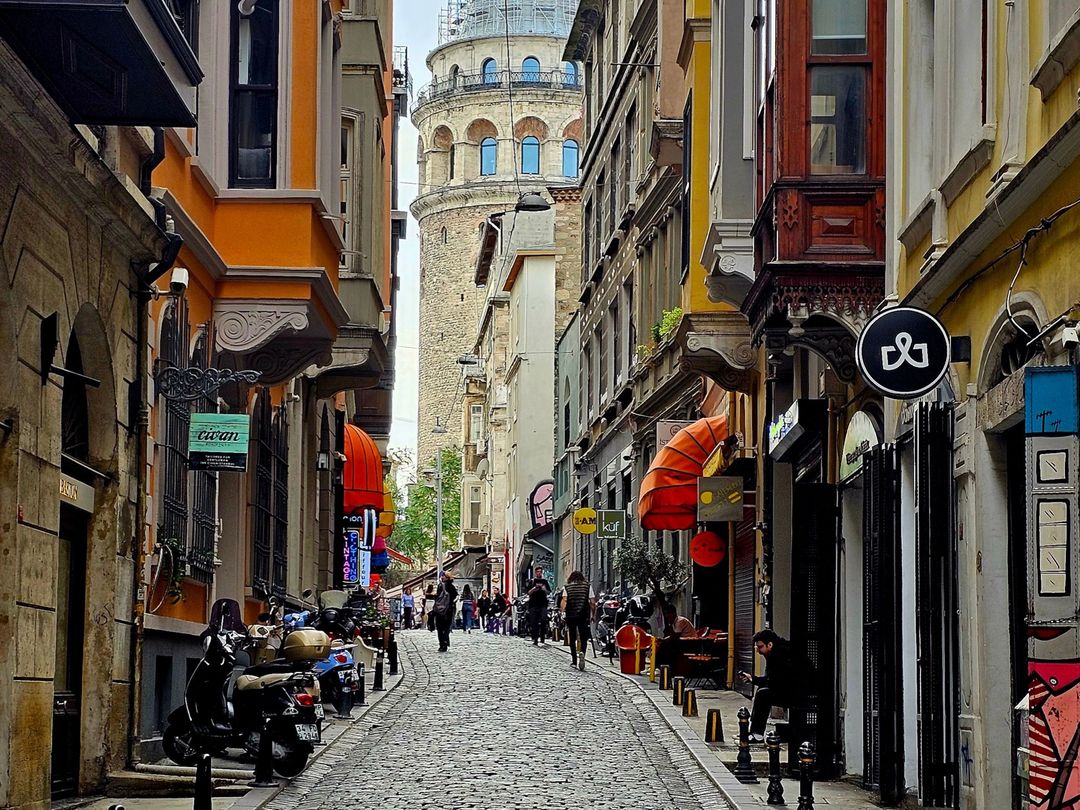
Monument
Galata Tower
The clearest orientation view of Istanbul's layout, and a natural anchor for exploring Galata on foot.
45 minutes-1 hourGalata / Beyoğlu
Istanbul essentials
48 Hours in Istanbul
A two-day route through Istanbul's Old City and across the water to Beyoğlu, for a first visit that doesn't try to cover the whole city at once.
Where to Stay in Istanbul
Most first-time visitors should base themselves in Sultanahmet for walking access to the major sights, or Beyoğlu/Galata for a livelier base near restaurants and nightlife. Here's how the main areas compare.
Where to base yourself in Istanbul
Every area has a different character — here's how they compare.
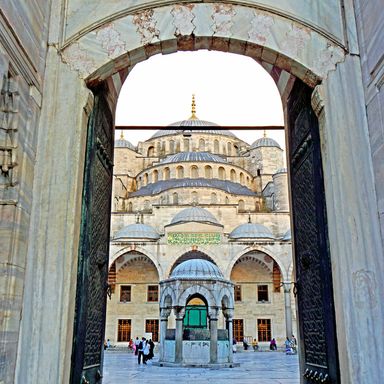
Sultanahmet
Best for Maximum convenience to the historic core
Choose Sultanahmet if maximum convenience to the major sights matters more than a lively evening scene — everything is within walking distance, but the neighbourhood empties out after dinner.
Read the full guideStrengths
- Walking distance to Hagia Sophia, the Blue Mosque and Topkapı Palace
- Atmospheric, historic setting
Trade-offs
- Busiest area with day-trippers
- Restaurants closest to the sights are priced for passing tourist traffic
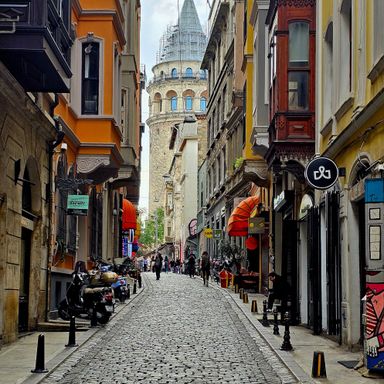
Galata & Karaköy
Best for A mix of atmosphere, dining and access between old and modern Istanbul
Choose Galata or Karaköy if you want a livelier base with strong dining and nightlife, and don't mind a short ride to the historic sights rather than a walk.
Read the full guideStrengths
- Wide range of restaurants and bars
- A genuine bridge between the historic peninsula and contemporary Istanbul
- Galata Tower and İstiklal Avenue nearby
Trade-offs
- A tram or ferry ride from the Old City sights, not a walk
- Steep streets in places
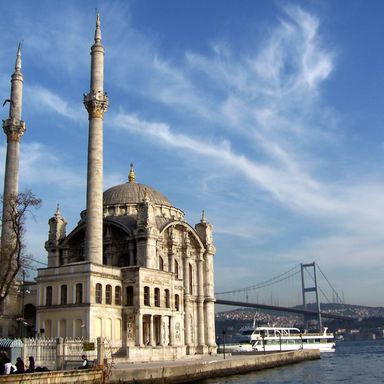
Beşiktaş & the Bosphorus
Best for Bosphorus-front living and upscale accommodation
Choose Beşiktaş if you want to wake up on the Bosphorus and don't mind trading walking-distance access to Sultanahmet for a waterfront setting.
Read the full guideStrengths
- Direct Bosphorus waterfront access
- Close to Dolmabahçe Palace and ferry connections
- A more residential, less tourist-dense atmosphere
Trade-offs
- Further from the historic peninsula
- Fewer budget accommodation options
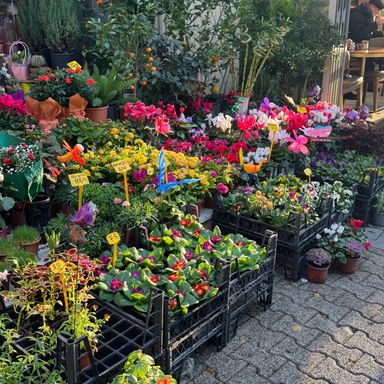
Kadıköy
Best for A more local, residential Asian-side atmosphere
Choose Kadıköy if you'd rather stay somewhere that feels like a real Istanbul neighbourhood than in the middle of the sights — expect a short ferry ride to reach Sultanahmet.
Read the full guideStrengths
- Strong local food and market scene
- Noticeably less geared toward visitors
- Genuine neighbourhood café culture
Trade-offs
- A ferry or metro crossing from the historic peninsula
- Fewer major sights within the neighbourhood itself
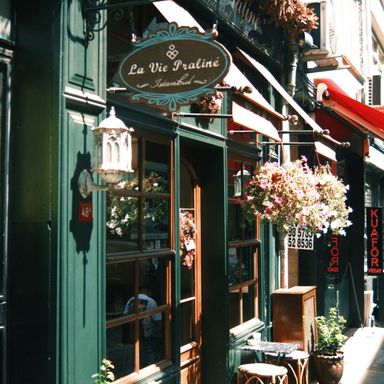
Nişantaşı
Best for Shopping and a polished, modern-city stay
Choose Nişantaşı if a polished, contemporary base with strong shopping and dining matters more to your trip than proximity to the historic sights.
Read the full guideStrengths
- Upscale shopping and dining
- A quieter, more residential pace
- Well connected by metro
Trade-offs
- Furthest of these areas from the historic peninsula
- Less obviously "Istanbul" in character than Sultanahmet or Kadıköy
Where to stay in Istanbul
Istanbul's neighbourhoods genuinely differ in character, not just price — Sultanahmet puts you next to the major sights, Galata and Karaköy sit between old and modern Istanbul, and Beşiktaş, Kadıköy and Nişantaşı each suit a different kind of trip. It's worth choosing an area on purpose rather than by price alone.
Hotels
Check availability and compare options
Coming soon
Plan
Plan your trip
Official information
Trusted sources
Official source
T.C. Kültür ve Turizm Bakanlığı — Directorate General for Cultural Heritage and Museums
Müze.gov.tr — official museum & heritage site portal
Last checked 2026-08-29
View official information (opens in a new tab)
Book
Book your Istanbul trip
Hotels
Coming soon
Tours
Coming soon
Transfers
Coming soon
Car Hire
Coming soon
eSIM
Coming soon